
NASA Cuts Crew-11 Mission Short, Bringing ISS Astronauts Home Early After Medical Issue
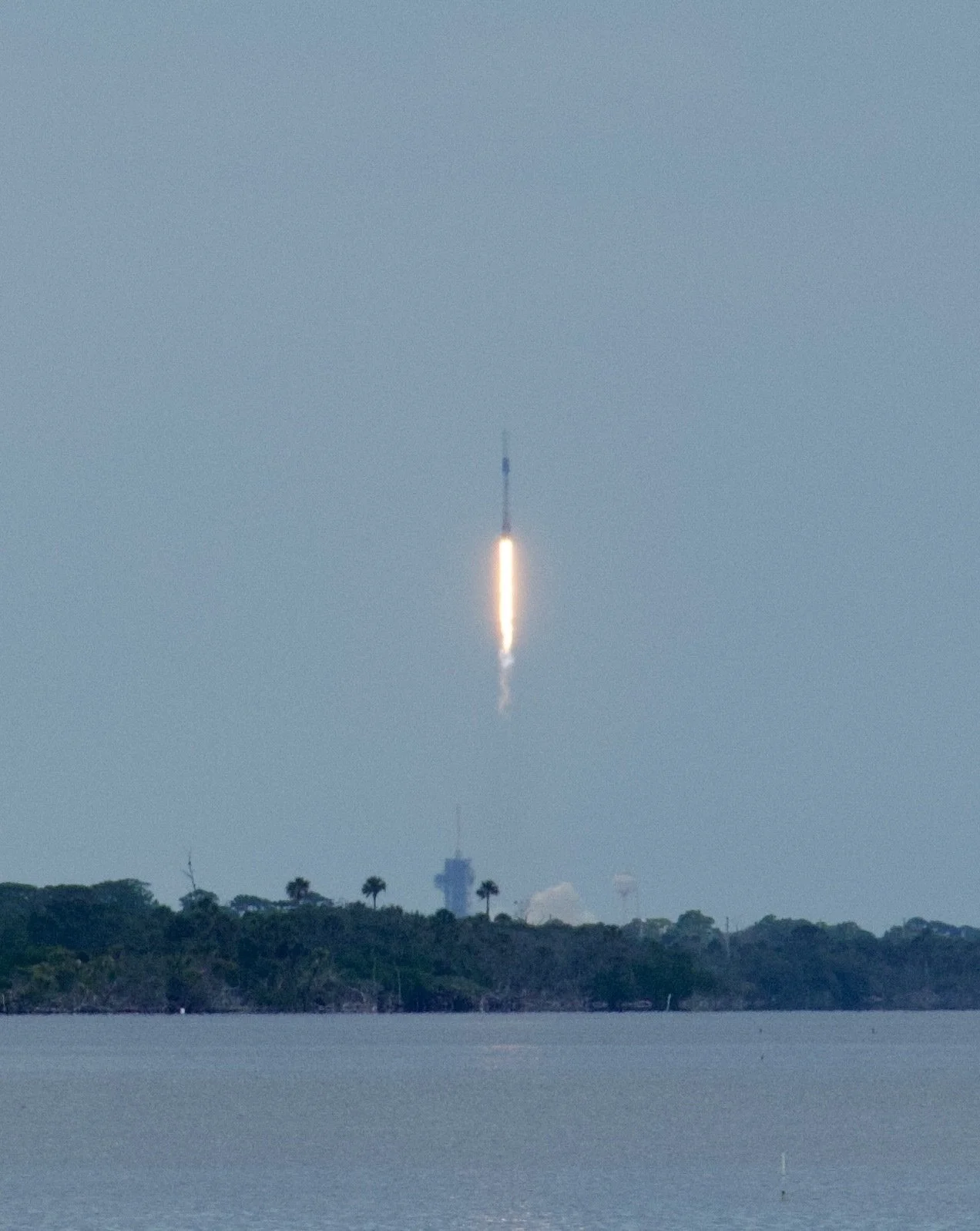
In an unprecedented move, NASA has announced that the SpaceX Crew-11 mission to the International Space Station (ISS) will end earlier than planned after one of its four crew members experienced a medical issue aboard the orbiting laboratory. The decision, confirmed on Thursday, January 8, 2026, prioritizes astronaut health and safety and marks the first time in the ISS’s 25-year history that a long-duration mission has been cut short for medical reasons.
NASA Administrator Jared Isaacman told reporters that while the affected astronaut’s condition is stable, the situation warrants returning the entire crew to Earth ahead of schedule due to diagnostic limitations on the station. In keeping with agency medical privacy policies, NASA has not disclosed the identity of the astronaut or the nature of the medical issue.
“We expect to provide a further update within the next 48 hours as to the expected, anticipated undock and re-entry timeline,” Isaacman said, adding that the decision was made after consultation with agency medical leadership and international partners.
The Crew-11 team—composed of NASA astronauts Zena Cardman and Michael Fincke, Japanese astronaut Kimiya Yui, and Russian cosmonaut Oleg Platonov—launched aboard a SpaceX Crew Dragon spacecraft on August 1, 2025, from NASA’s Kennedy Space Center and docked with the ISS the following day. They had originally been scheduled to remain aboard the station until late February 2026.
The early return will be facilitated by the Crew Dragon vehicle currently docked at the station, with NASA and SpaceX teams preparing for an expedited undocking and parachute-assisted splashdown. After splashdown, the astronauts will be transported by helicopter and aircraft back to NASA’s Johnson Space Center in Houston for medical evaluation and debriefing.
The decision also led to the cancellation of a planned spacewalk that had been scheduled for January 8 to install hardware in preparation for future station upgrades. NASA officials emphasized that the medical issue was not related to any environmental condition aboard the ISS or to spacewalk preparations, but reflected a condition that cannot be fully addressed aboard the orbiting complex.
With Crew-11’s departure, NASA and its partners are advancing preparations for the next rotation, Crew-12, now expected to launch earlier than its previously planned mid-February window. Despite the rare early exit, NASA officials stress that other near-term missions—such as the Artemis 2 lunar flyby mission—remain on schedule and unaffected by the Crew-11 developments.
Three other astronauts—NASA’s Chris Williams and Russian cosmonauts Sergey Kud-Sverchkov and Sergey Mikayev—will remain aboard the station to continue ongoing research and operations until the arrival of the next crew rotation.
NASA Administrator Isaacman reiterated that the safety and well-being of crew members remain the agency’s highest priority as missions grow longer and more complex, and as human spaceflight operations continue to evolve.