
NASA Reshapes Artemis Timeline, Prioritizes Sustainability Over Speed
NASA
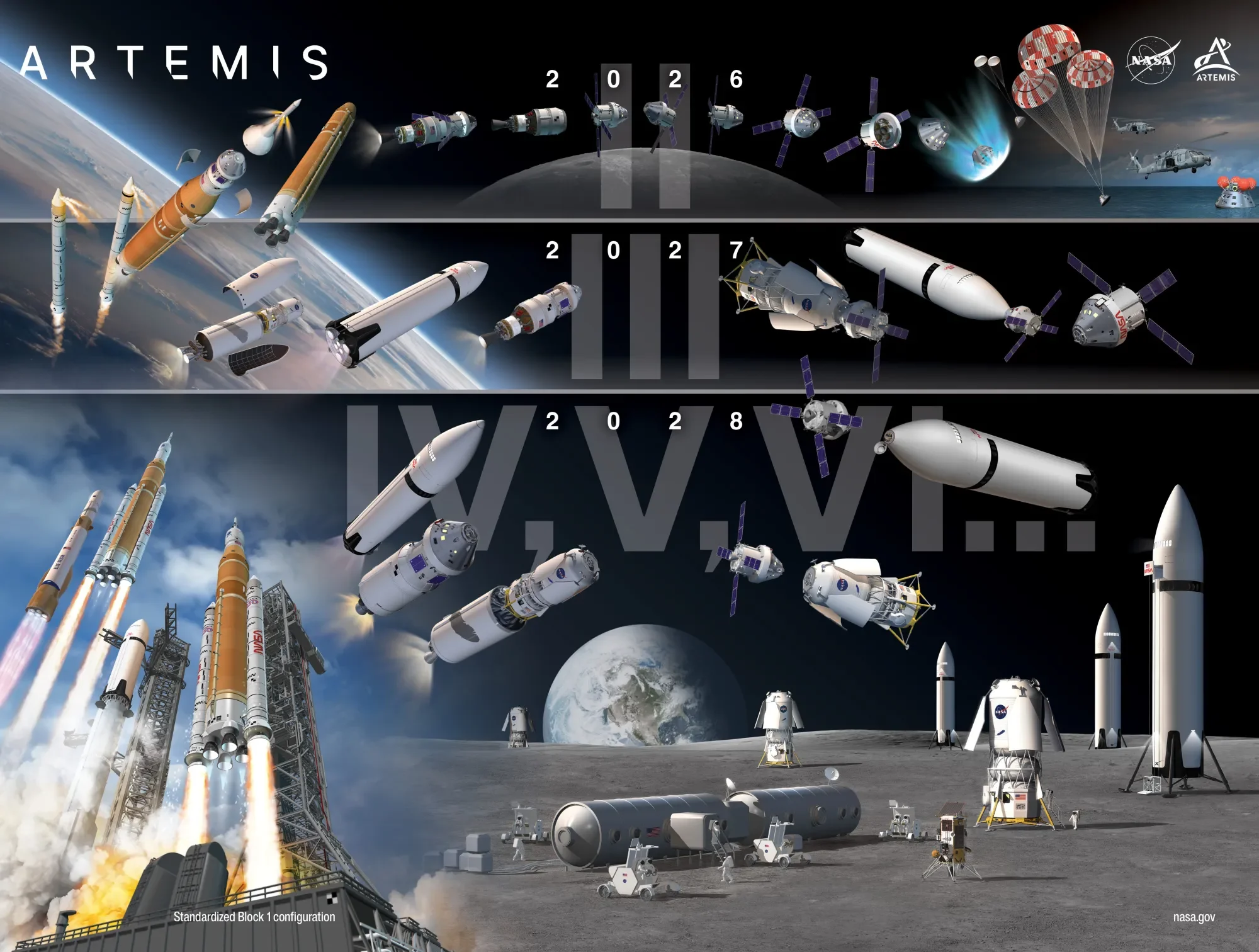
NASA has officially adjusted the architecture of its lunar exploration roadmap, adding a new mission to the Artemis campaign and reshaping how the agency plans to return astronauts to the Moon.
In a newly released update, NASA confirmed it is expanding the Artemis manifest to better align mission sequencing, hardware readiness, and long-term Moon-to-Mars objectives. The change reflects both technical realities and a strategic effort to build more operational margin into the program as development of critical systems continues.
A More Phased Approach to the Moon
Under the updated framework, NASA is inserting an additional Artemis mission ahead of the first crewed lunar landing. The move effectively creates more schedule flexibility while allowing further maturation of key systems — including the Human Landing System (HLS), Orion spacecraft upgrades, and supporting infrastructure.
Rather than rushing toward a single high-stakes lunar landing milestone, NASA is opting for a more incremental buildup. The revised architecture prioritizes mission validation, integrated testing, and deep-space operations experience before committing astronauts to a surface campaign.
From a programmatic standpoint, this reflects lessons learned from Artemis I and the extensive testing campaigns that have followed. The agency is clearly focused on reducing risk in a way that protects both crew safety and long-term sustainability.
Impacts to Artemis III and Beyond
The changes adjust expectations for Artemis III, which had long been positioned as the return-to-the-Moon landing mission. With the new mission added to the sequence, the first crewed lunar surface landing will now occur later in the Artemis lineup.
NASA continues to work alongside commercial partners — including SpaceX and Blue Origin — on development of the Human Landing Systems that will transport astronauts from lunar orbit to the surface. The updated architecture provides additional time for those vehicles to complete testing and demonstrate readiness in an operational context.
This also reinforces NASA’s broader strategy: Artemis is not a single-landing program. It is the foundation for sustained human presence at the Moon, development of lunar infrastructure, and eventual crewed missions to Mars.
Building for Sustainability, Not Just a Flag and Footprints
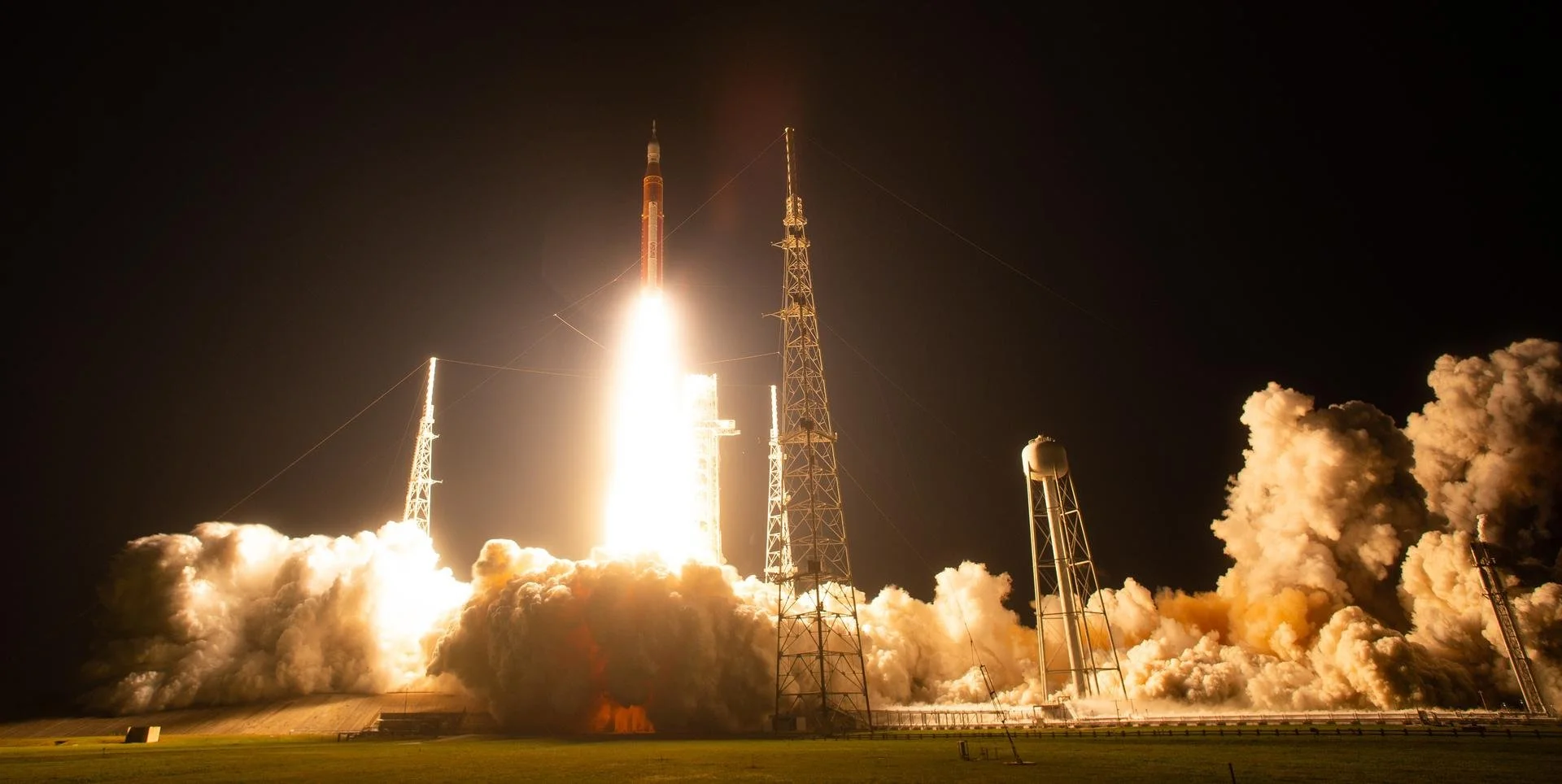
While schedule adjustments can be frustrating for those eager to see boots on the lunar surface, the added mission signals a shift toward long-term execution rather than symbolic deadlines. Artemis is designed to establish repeatable, scalable deep-space operations — not just achieve a one-off landing.
The addition to the manifest underscores that NASA is willing to recalibrate in order to protect mission success. With SLS, Orion, commercial landers, Gateway elements, and international contributions all converging, the architecture must support sustained operations well beyond a single mission.
As more technical and schedule details emerge, the focus remains clear: build methodically, reduce risk, and ensure that when astronauts step onto the Moon again, it marks the beginning of a permanent era — not a brief return.
Florida Spaceflight will continue monitoring developments as NASA refines timelines and outlines how this new mission integrates into the broader lunar campaign.