
NASA steps closer to Artemis II fueling test
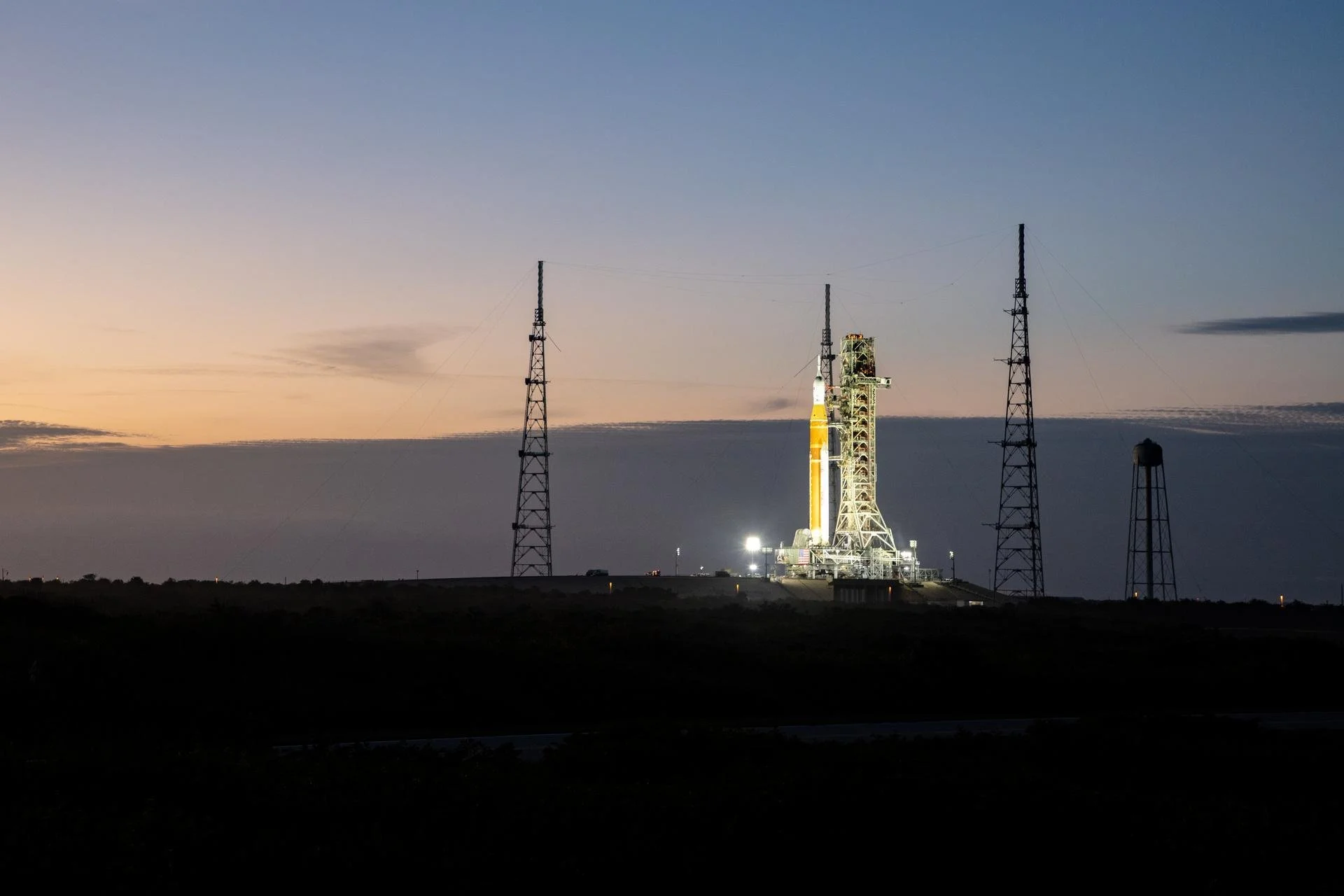
Kennedy Space Center, FL., (January 28th, 2026)- As NASA’s Artemis II mission inches ever closer to its historic crewed flight around the Moon, a milestone more operational than flashy is quietly commanding the spotlight: the final fueling rehearsal. This wet dress rehearsal, scheduled now for late January, represents far more than a procedural step — it is the linchpin in a launch campaign that has tested the agency’s engineering rigor, schedule agility, and operational discipline.
The broad strokes of Artemis II’s journey have been well-publicized. The Space Launch System (SLS) rocket and Orion spacecraft have successfully transitioned from the Vehicle Assembly Building to Launch Complex 39B at Kennedy Space Center, with the four astronauts bound for the Moon quarantined and ready to focus on the final weeks of preparation. There are those moments — reaching the pad, capturing dramatic imagery — that lend themselves to headlines. But it is the less glamorous, high-stakes rehearsals like this fueling test that truly determine mission viability.
Loading and then safely removing more than 700,000 gallons of cryogenic propellant in a controlled simulation is not simply a procedural check — it is a stress test of the complete launch ecosystem. The operation exercises hardware, software, ground support systems, and human teams under timelines and sequences that closely mirror a real countdown. Success here builds confidence in the flight readiness of a system that hasn’t carried humans beyond Earth orbit in more than half a century.
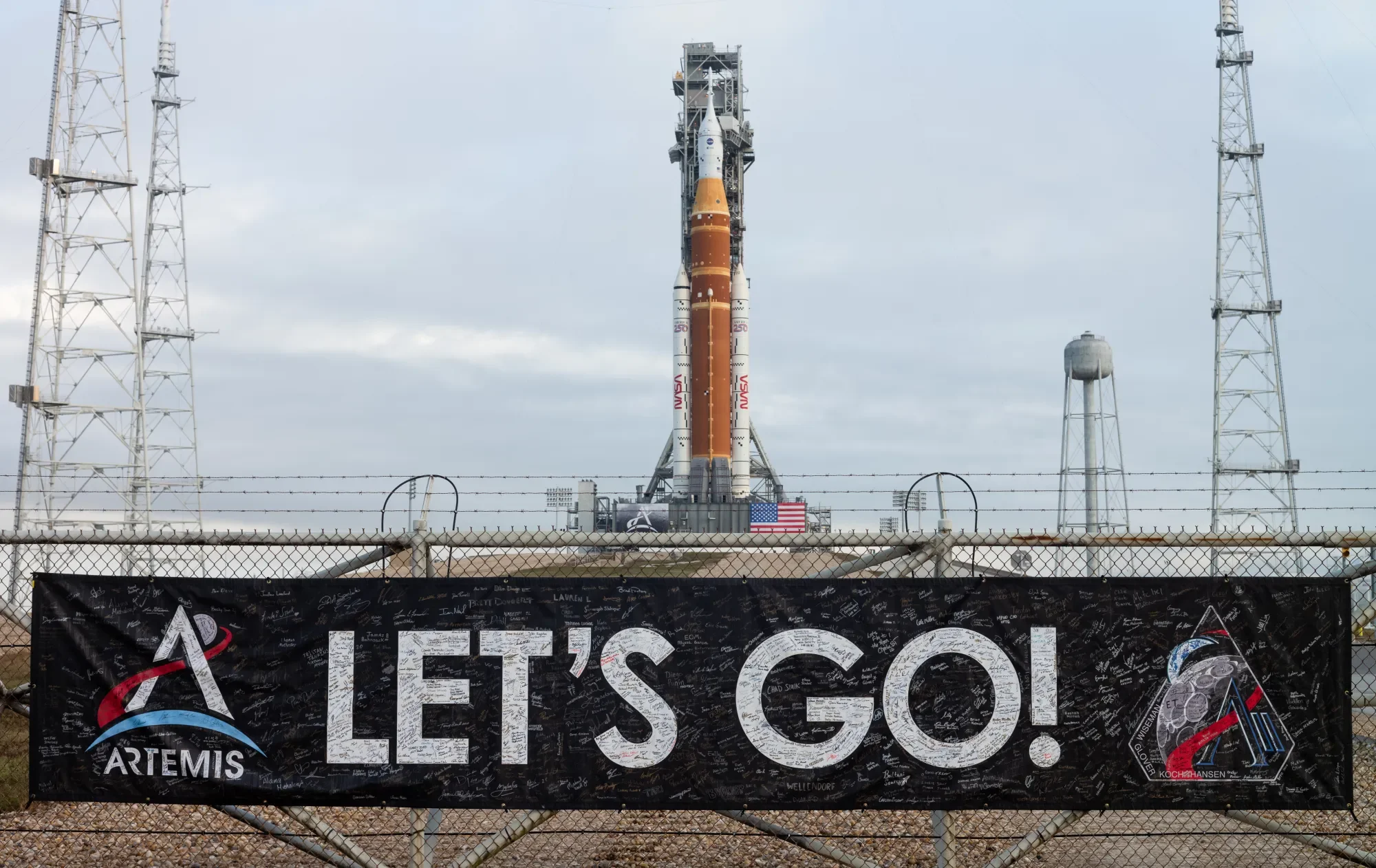
This rehearsal also highlights NASA’s evolution since the first Artemis I wet dress rehearsals revealed technical challenges. The adjustments in procedures and systems reflect lessons learned and applied — an iterative approach that balances ambition with caution. It is an approach that respects both the fragility and the power of the machines and lives involved.
For Central Florida and the global space community, the choreography unfolding at Kennedy is more than preparation; it is affirmation. It demonstrates that even in an era dominated by commercial launch cadence and evolving space geopolitics, methodical engineering and disciplined rehearsal remain essential to deep space exploration.
As the clock ticks toward this critical fueling test — and ultimately the February launch window — the real story isn’t only that humans are returning to lunar vicinity. It’s that our spacefaring institutions are capable of harnessing complex systems and coordinated teams to make it happen. That may not be the headline everyone posts on social media, but it is the foundation upon which lunar missions are built.