
NASA Astronauts Shelter in SpaceX Dragon During ISS Leak Repair
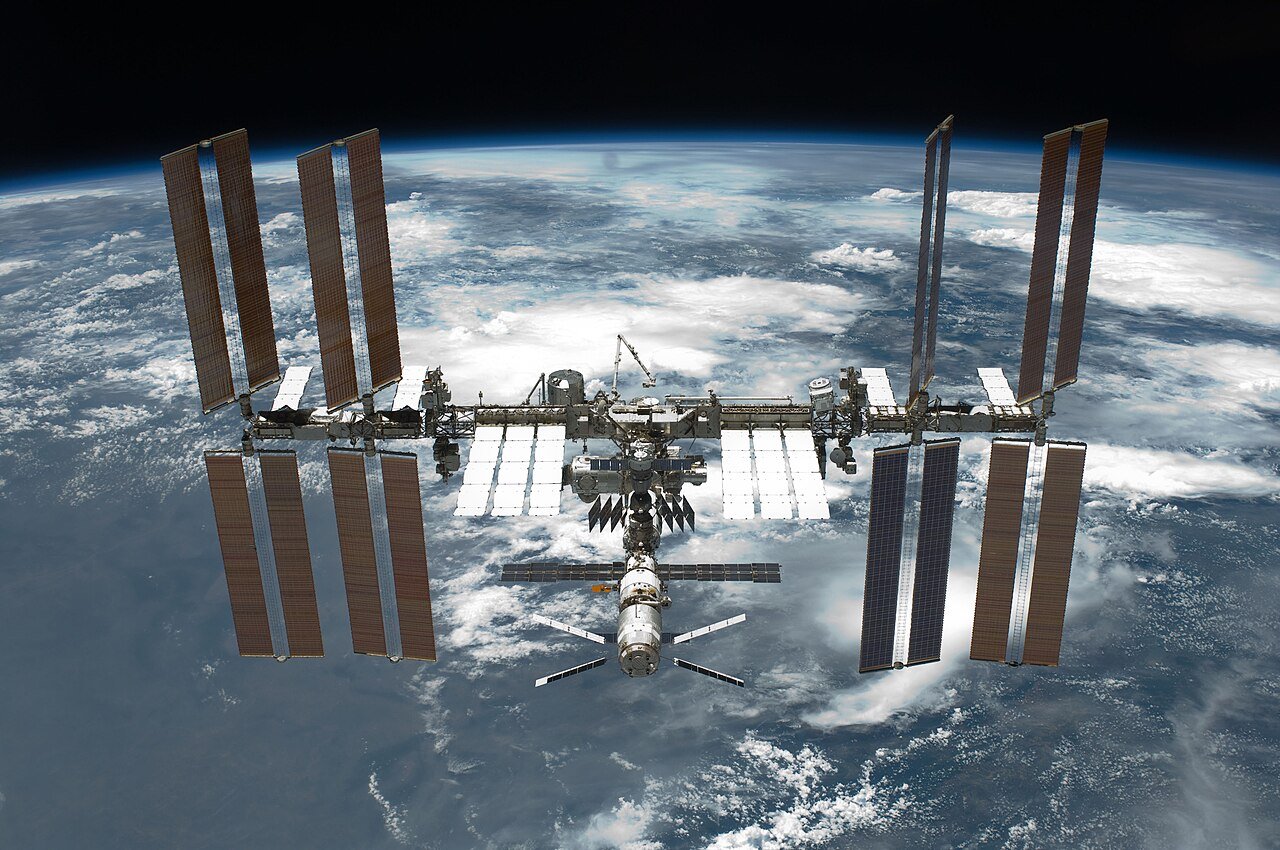
International Space Station seen from Space Shuttle Endeavor during the STS-134 mission back in 2011. Photo: NASA
Crew members moved to a “safe haven” as Roscosmos worked on cracks in the Russian segment of the space station
CAPE CANAVERAL, Fla. — NASA directed five crew members aboard the International Space Station to take refuge inside a docked SpaceX Crew Dragon spacecraft Friday while Russian cosmonauts worked to repair newly detected air leaks in the station’s Russian segment.
The precautionary move came after new leaks were found in the Zvezda service module transfer tunnel, known as PrK, a section of the Russian-built portion of the orbiting laboratory that has experienced cracks and intermittent air leakage for several years. NASA said the crew was not immediately reported to be in danger, but the agency placed the astronauts in an elevated safety posture while Roscosmos carried out a more extensive repair effort.
“Out of an abundance of caution, NASA has directed all four of the agency’s SpaceX Crew-12 members and NASA astronaut Chris Williams to assume an elevated safety posture in the Dragon spacecraft while the repair is underway,” NASA Press Secretary Bethany Stevens said.
The Crew Dragon spacecraft, named Freedom, is docked to the station and serves as a lifeboat for its crew in the event of an emergency. NASA and its international partners routinely use docked crew vehicles as safe havens during higher-risk operations or when station systems require additional caution.
The affected crew includes the four members of NASA’s SpaceX Crew-12 mission: NASA astronauts Jessica Meir and Jack Hathaway, European Space Agency astronaut Sophie Adenot, and Roscosmos cosmonaut Andrey Fedyaev. NASA astronaut Chris Williams, who arrived separately aboard a Russian Soyuz spacecraft, also sheltered in Dragon during the operation.
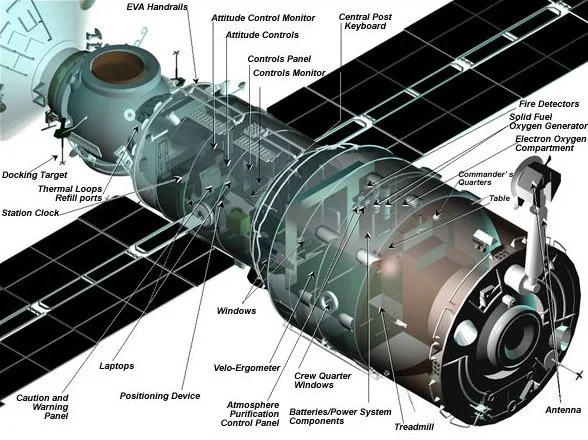
Diagram of the Zvezda service module that is attached to the International Space Station.
Two Russian cosmonauts remained outside the Dragon safe haven to conduct the repair work, according to CBS News. The leak is associated with cracks in the PrK transfer tunnel, an area that connects parts of the Zvezda service module. CBS reported the issue has been considered a top safety concern and has been the subject of multiple repair attempts over the past several years.
NASA said the latest repair effort followed a slow pressure drop noticed last month after the arrival of a Russian cargo spacecraft. Roscosmos has managed the issue through operational mitigations and periodic partial repairs while NASA and Roscosmos continue working to understand the root cause of the cracks.
“The cracks have always been a concern that NASA watches very closely,” NASA said, “We continue to work with our Russian counterparts, along with the rest of the international community that supports the space station, to arrive at a more permanent resolution.”
The incident also underscores the continued role of SpaceX’s Crew Dragon in NASA’s human spaceflight operations. Crew-12 launched from Space Launch Complex 40 at Cape Canaveral Space Force Station on Feb. 13, marking another crew rotation mission under NASA’s Commercial Crew Program. Once docked, Dragon remains attached to the ISS for the duration of the mission and is available for emergency departure if required.
The International Space Station has been continuously occupied for more than two decades and is operated by NASA, Roscosmos, ESA, Japan’s JAXA and the Canadian Space Agency. The aging laboratory remains a critical platform for research, technology demonstrations and long-duration human spaceflight experience as NASA prepares for future Artemis missions to the Moon and eventual missions to Mars.
NASA and Roscosmos are expected to continue monitoring the repaired area and station pressure levels before returning the crew to normal operations. No evacuation had been reported as of the latest updates Friday, but the docked Dragon remains available should flight controllers determine the crew needs to depart the station.